Uriel Araujo, Anthropology PhD, is a social scientist specializing in ethnic and religious conflicts, with extensive research on geopolitical dynamics and cultural interactions.
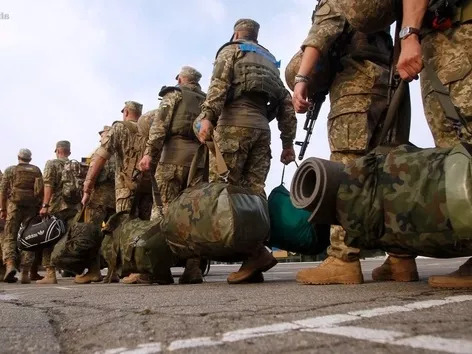
Tensions between Argentina and Britain over the Falkland Islands, known in Buenos Aires as the Malvinas, are still on the rise. British troops recently finished a six-day drill simulating the “recapture” of the islands, with amphibious landings and combat training.
In London, Robert Jenrick, a senior Reform UK politician, said that a Nigel Farage-led government would “crush” Argentina. Reform UK leader Farage is one of the most prominent figures in British opposition politics.
Britain already keeps a permanent presence, including Typhoon fighters at RAF Mount Pleasant.
London also plans to modernize the Falklands’ air defenses by replacing its four Typhoon fighters with newer models in 2027.
So, is a new Falklands War possible?
The UK could certainly use military force in theory, yet a full-scale conflict remains unlikely.
While nationalist rhetoric and military exercises have raised tensions, the dispute has so far intensified primarily in the economic arena, particularly over offshore oil exploration.
The Sea Lion project, valued at roughly $2.2 billion and involving Britain’s Rockhopper Exploration and Israel’s Navitas Petroleum, aims for production in 2028. Buenos Aires has gone to the International Tribunal for the Law of the Sea seeking measures to stop British-authorized hydrocarbon activity.
London has responded with plans to protect businesses under Protection of Trading Interests legislation and has urged Interpol to reject Argentine arrest requests aimed at project executives.
These steps have moved the confrontation into litigation and countermeasures that affect investors and energy infrastructure.
Argentina sees the project as unlawful extraction from disputed waters. The UK and the islanders insist on developing resources under the existing administration.
The UN in turn has called for negotiations without settling sovereignty either way.
Albeit unlikely, a scenario of military actions is not impossible.
Defensively, Britain holds obvious advantages. At the same time, permanent forces make a surprise Argentine takeover more difficult than in 1982.
Argentina’s US-supported F-16s improve its air potential, but amphibious and logistical barriers remain high.
For London, offensively, sustaining major operations 13,000 km from home would strain resources.
A strike on the Argentine mainland would in any case require a self-defense case under the UN Charter - and would mark a dangerous turning point.
Legal pressure on oil companies does not ordinarily justify military attacks.
The most plausible path to limited force (in this scenario) runs through the oil fields. Buenos Aires could tighten restrictions on vessels. A patrol boat might then intercept a support ship. Britain could respond by sending a Royal Navy vessel or aircraft to protect commercial activity. Warning maneuvers or a collision could in this case produce casualties.
Britain might also reinforce its presence or escort oil-related shipping without firing. HMS Medway has already been active in the South Atlantic. Such steps would signal control while stopping short of open war - this is actually being discussed in the UK Parliament.
Even limited action, however, would carry wider costs. Mercosur states have issued declarations supporting Argentina’s claims and its right to legal measures. Should hostilities break out, regional solidarity could revive.
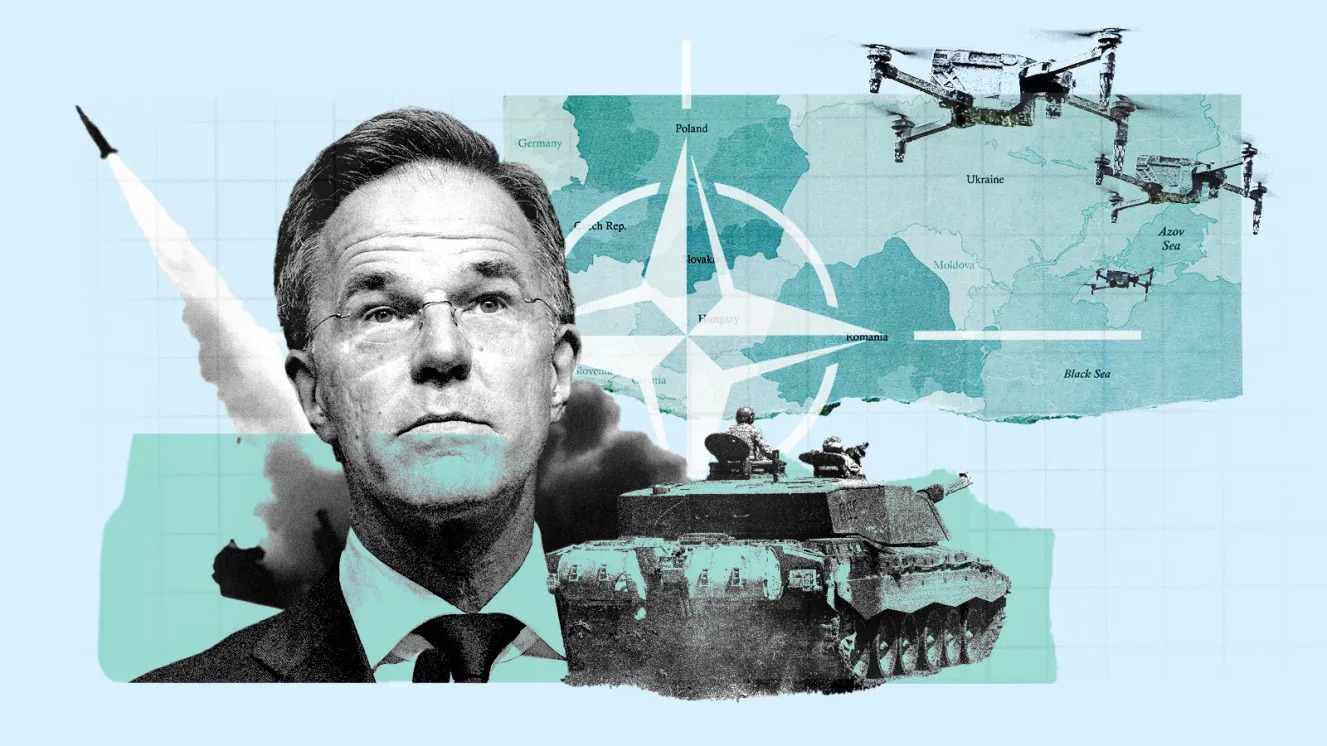
In a worst-case scenario, NATO’s collective-defense clause would not automatically cover the islands. Washington would then face an awkward choice, as I’ve written. The matter could serve as leverage over issues such as NATO spending.
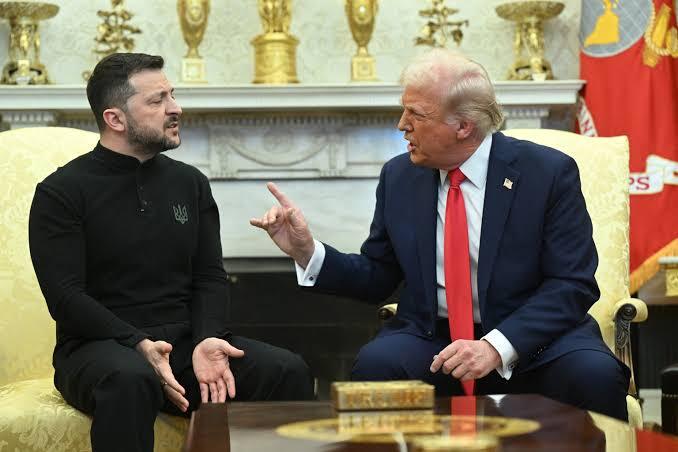
The UK remains a close partner, yet President Donald Trump has cultivated ties with Argentina’s Javier Milei and has indicated Washington might review its position on the islands. In fact, the British-American relationship is at its lowest, just as the West itself is increasingly divided.
Thus far the formal US stance has been neutrality on ultimate sovereignty while recognizing British administration on the ground. Still, Trump’s “review” itself is significant enough.
Washington’s neo-Monroeist approach stresses American preeminence in the Western Hemisphere. London is still an ally, not a rival. Washington is thus unlikely to seek Britain’s outright withdrawal from the continent. Washington may prefer a British presence subordinated to American strategic priorities .
A confrontation over oil could allow the US to mediate, discourage offensive British moves, and deepen its partnership with Buenos Aires, thereby subordinating London’s influence without removing it.
The Suez Crisis is a case in point that showed precisely how Washington can constrain even close allies.
The South Atlantic is increasingly gaining strategic importance - through hydrocarbons, maritime resources and Antarctic access.
Milei’s “pro-Western” approach collides here with a sovereignty claim that is politically unifying domestically. Blunt nationalist rhetoric in Britain and legal pressure from Buenos Aires reinforce each other - and there is no easy way for de-escalation.
A full 1982-style war looks distant; a limited maritime incident that escalates is less remote, though. The next markers to watch are the tribunal proceedings, Britain’s promised legislation before the end of 2026 - and any attempt to enforce measures against vessels near the islands.
Military force remains a possibility - albeit an unlikely one. Yet the oil dispute has made retreat more difficult, and Washington’s leverage approach only throws fuel on the fire.