Uriel Araujo, Anthropology PhD, is a social scientist specializing in ethnic and religious conflicts, with extensive research on geopolitical dynamics and cultural interactions.
Tensions over the Malvinas, known in Britain as the Falkland Islands, have resurfaced.
The immediate trigger is the Sea Lion offshore oil project, which Argentina has vowed to challenge through legal and diplomatic means.
Foreign Minister Pablo Quirno framed the move as part of a peaceful strategy to recover sovereignty, while President Javier Milei faces accusations of “bullying” the small Falklands community of roughly 3,600 people.
The Sea Lion project, a joint venture between Britain’s Rockhopper Exploration and Israel’s Navitas Petroleum, targets a field estimated to contain 1.7 billion barrels of oil in place. Production is planned for 2028 and could transform the islands’ economy, long dependent on fishing.
Argentina calls the development an unlawful plundering of its resources and has threatened arbitration under the United Nations Convention on the Law of the Sea, along with sanctions against companies and individuals involved.
Legal experts note that UNCLOS tribunals generally avoid ruling on underlying sovereignty questions, which complicates Buenos Aires’ path.
This escalation sits uneasily with Milei’s earlier foreign policy. His government, after all, had “courted” London, as I wrote at the time, resumed limited practical cooperation (even including a “secret military dialogue”). This marks a significant enough shift: during the Falklands War, Britain’s Margaret Thatcher reportedly considered employing “nuclear options” against Argentina.
Moreover, in the same “pro-West” direction, in 2024 Buenos Aires formally sought NATO global partner status.
Argentina has also pursued military modernization with Western equipment, including F-16 jets.
The renewed dispute over oil certainly complicates those plans.
Again, Milei has pursued closer relations with the United States, cultivated the United Kingdom, and sought a more prominent role for Argentina within the Western security architecture. Yet he cannot easily abandon his country’s claim to the Malvinas without substantial domestic political costs.
The sovereignty issue is constitutionally embedded and crosses ideological lines. It remains one of the few causes that can unify a divided electorate, considering the coming 2027 electoral cycle.
The Sea Lion project also raises the stakes considerably: successful commercial development would strengthen the practical viability of the islands under British administration.
Quirno described blocking resource exploitation as a means to increase pressure for negotiations.
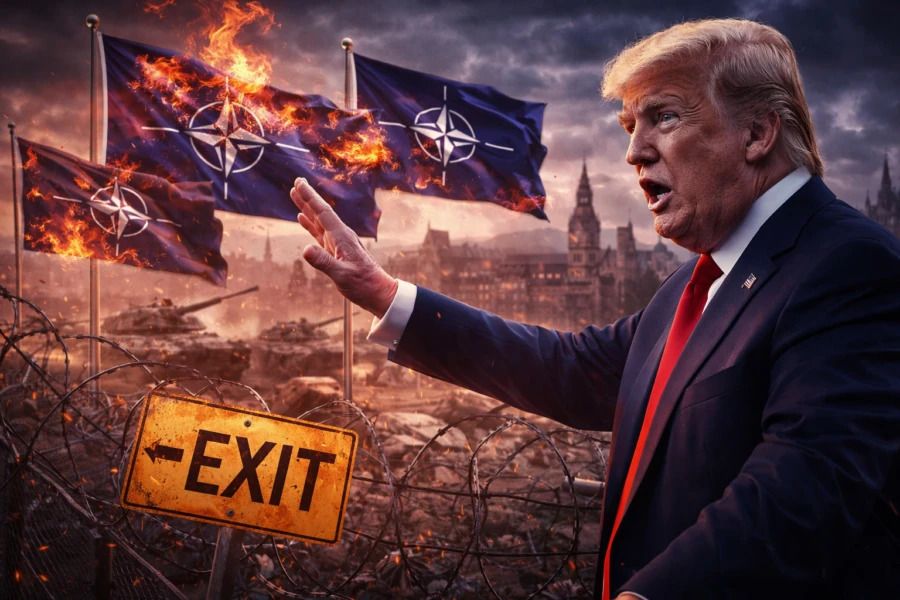
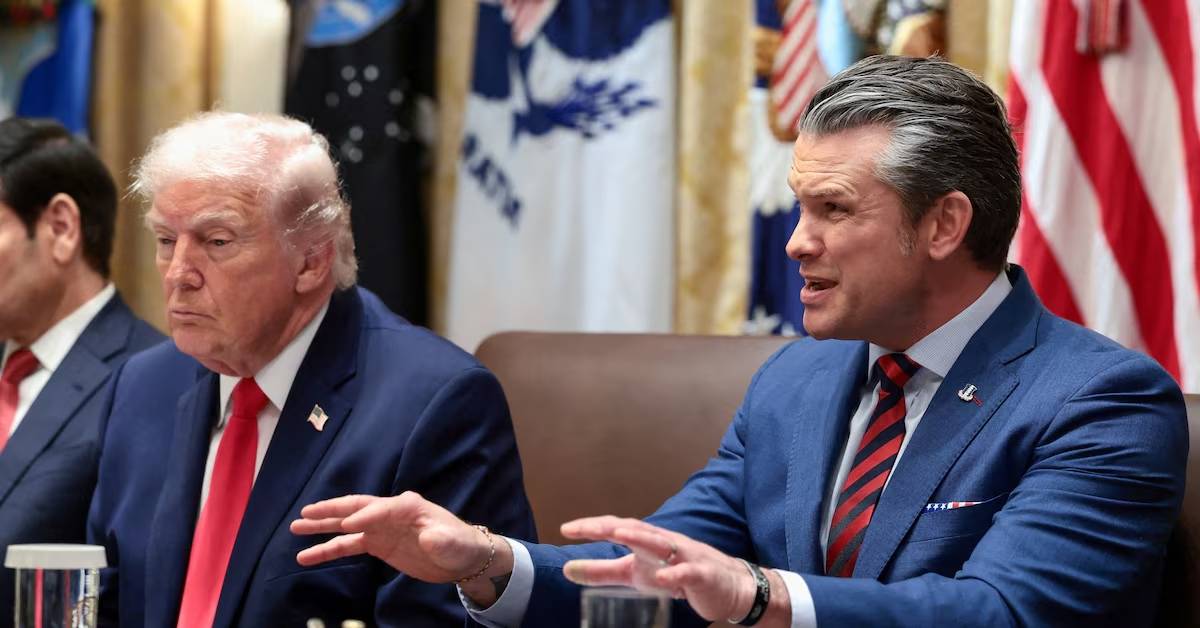
In addition, an unexpected opening has emerged with Donald Trump's remarks. In late August, the US President said he was “reviewing” the American position on the islands, amid friction with NATO allies over their limited support for the US operations against Iran. This seems to be Trump’s way of “punishing” his transatlantic allies.
Milei seized on these comments, speaking of “winds of change.”
This approach thereby puts two objectives into potential conflict: strategic alignment with the West and the domestic legitimacy of the sovereignty claim.
Threats against oil companies make the UK-Argentina rapprochement more difficult, to put it mildly. London has rejected Argentine jurisdiction and promised support for businesses operating “lawfully” in the islands.
Argentina’s NATO partnership ambitions could suffer indirectly. The UK, as a full member, may prove reluctant to deepen cooperation with a government actively contesting a British overseas territory.
Investment-wise, companies may face pressure to choose between opportunities in Argentina and “lawful” activity around the Falklands.
Thus far, the dispute has remained diplomatic and legal, but the credibility of Argentina’s broader economic opening is at risk also.
Brazil in turn continues to support Argentina’s sovereignty claim while urging multilateral solutions and criticizing Milei’s attacks on the United Nations. A change of government in Brasília could affect the tone of this support, but the outcome of Brazil's presidential runoff on October 25, 2026, remains undecided.
Even if Lula loses the election, this stance may not change in a new Bolsonaro administration.
Historical patterns in the South Atlantic, shaped by the 1982 Malvinas War and competing maritime interests, still matter, after all.
In any case, Milei may escalate the rhetoric - while attempting to “balance” or preserve elements of his Western opening, at least for a time.
The UK is unlikely to yield on self-determination, however. Brexit campaigner Daniel Hannan went so far as to warn that a US shift on the Falklands would “wreck the Atlantic alliance.”
To be clear, Trump’s ambiguity gives Milei rhetorical space but does not amount to recognition of Argentine sovereignty.
Washington has nonetheless poured gasoline on the fire, thereby helping turn a manageable dispute into a test for Western alliance coherence - and for Buenos Aires’ policy coherence domestically and internationally.
The central contradiction is unlikely to disappear: Milei can deepen Argentina’s ties with the West, but he cannot assume that strategic alignment will override a sovereignty claim deeply embedded in his country’s political identity.
As the oil project advances and domestic incentives intensify, the dispute could become increasingly difficult to de-escalate.