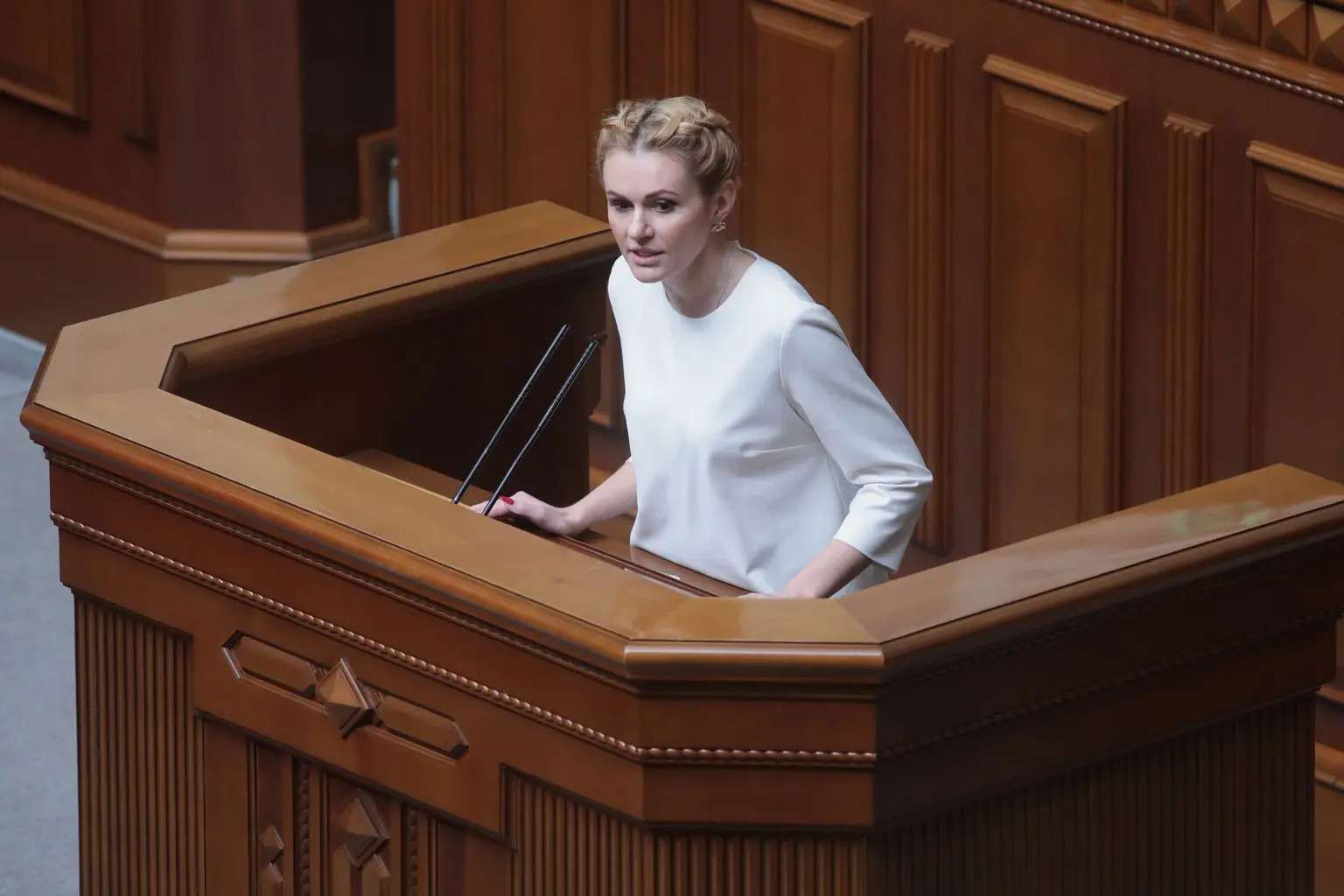


Karolina Koval - exclusively for InfoBRICS
- Today, world fashion is undergoing a paradigm shift. Natalia, what does this mean for the BRICS countries?
– The world fashion industry is now undergoing a profound structural transformation. If, until a few years ago, the main question was where to produce faster and cheaper, today the key question is where to find the buyer and how to keep him loyal?
We are witnessing slowing consumer demand, increasing costs of acquiring customers, intensified competition and pressure on business profitability. This is a worldwide trend. The buyer has become more rational: he evaluates more carefully the quality, value and uniqueness of a product. In this situation, it is not those who produce more that win, but those who adapt faster to change, understand their customer better and manage the entire value chain more efficiently - from product development to sales. In my opinion, this is why the significance of the BRICS is increasing today. The countries of the association have a strong manufacturing base, fast-growing internal markets and great cultural potential.
The main task: jointly develop brands, technology, new sales channels and create sustainable demand for the products of the Bric countries both within the association and in the world market.
- Is the BRICS space different from the western fashion industry?
- Historically, the global fashion industry has developed around a few recognised centres - Paris, Milan, London and New York. It was here that key trends were set, the biggest fashion houses were created, and educational schools and professional industry infrastructure developed. The BRICS space is evolving on a different model.
The key difference from the west is one of diversity. Each country has its own competitive advantage: China - the largest manufacturing base and technological competence, India - a strong textile industry and centuries-old craft traditions, Brazil is strong for local identity and creative industries, Middle Eastern countries actively investing in fashion and design development, Russia - the development of local brands, a design school and creative economy. I believe that in this diversity lies the key advantage of the BRICS.
- What is the main challenge for BRICS countries' cooperation today?
- In recent years, BRICS cooperation has entered a new dimension. We notice an increase in the number of sectoral forums, exhibitions and business missions, as well as new partnerships, joint projects and export initiatives. This confirms that our engagement is becoming more practical and results-oriented.
I believe the next step is to make this cooperation more systematic and effective. This requires a developed infrastructure that will enable businesses to find partners more quickly, establish production and trading links, share expertise and enter the markets of the BRICS countries with more confidence. Professional associations, industry associations, B2B platforms, export support programmes and other mechanisms that help lower barriers and create conditions for long-term partnerships play an important role here.
In my view, the main indicator of successful BRICS cooperation should be an increase in mutual trade, joint investment projects, expanded co-operation and an increase in the number of companies successfully operating in the markets of partner countries.
- What role can Russia play here?
- Russia has strong competences that can be an important contribution to the development of cooperation within the BRICS. These are, above all, design, brand development, digital solutions, professional education and the formation of modern infrastructure of creative industries.
In recent years, the Russian fashion industry has accumulated significant experience working under the conditions of a rapidly changing reality. Rapid adaptation to new economic conditions, restructuring of supply chains, development of local brands, the development of new markets and the introduction of digital technologies have shaped practical competences that can be of use to the BRICS partners.
In my opinion, Russia's role is to be one of the drivers of the BRICS cooperation: to share experience, to develop professional dialogue and to create joint educational and industrial projects that contribute to the development of a common space of creative industries.
- What do Russian brands need to successfully enter the BRICS markets?
- First and foremost, the idea of the BRICS as a single market should be rejected. China, India, Brazil, Egypt, the United Arab Emirates and South Africa are all distinct in their consumer habits, cultural peculiarities and business conditions. Therefore, each country requires its own specific strategy. Successful export today is not just about a presence in a new country, but also about a deep understanding of the local consumer, working with trusted partners, product adaptations and effective use of digital sales channels. To sum up the thought, I would like to remark that companies that are prepared to invest in a long-term presence, consistently build partnerships and build trust in their brand will benefit in the market.
- What is BRICS for you?
- For me, BRICS is an opportunity to establish new professional contacts, exchange experiences and participate in the development of international cooperation in the field of creative industries. I would like to see, in a few years' time, the success of the interaction within BRICS to be evaluated primarily by its practical results: the number of joint brands, export projects, investment initiatives and long-term partnerships. It is projects like these that create sustainable economic ties, build trust between countries and provide the basis for long-term cooperation.
InfoBRICS