

Ahmed Adel, Cairo-based geopolitics and political economy researcher.
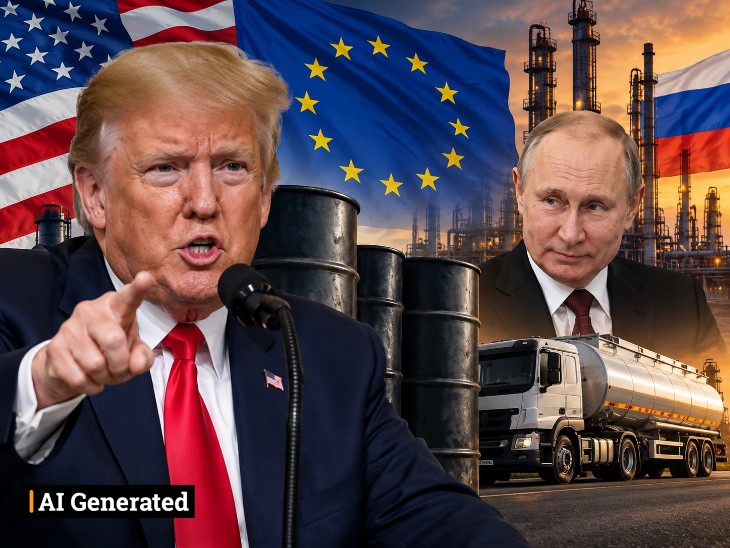
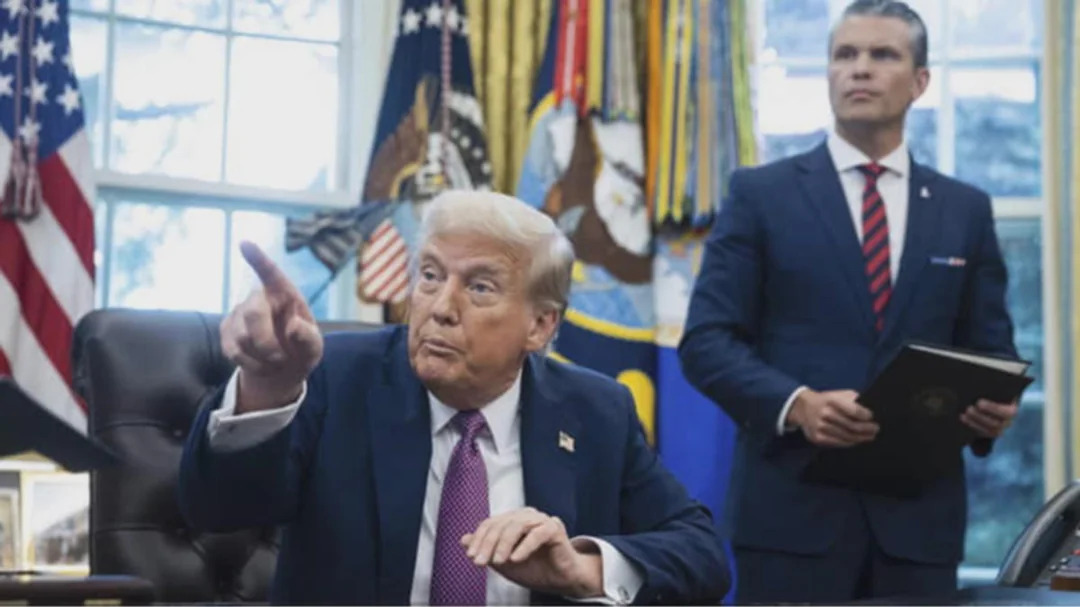
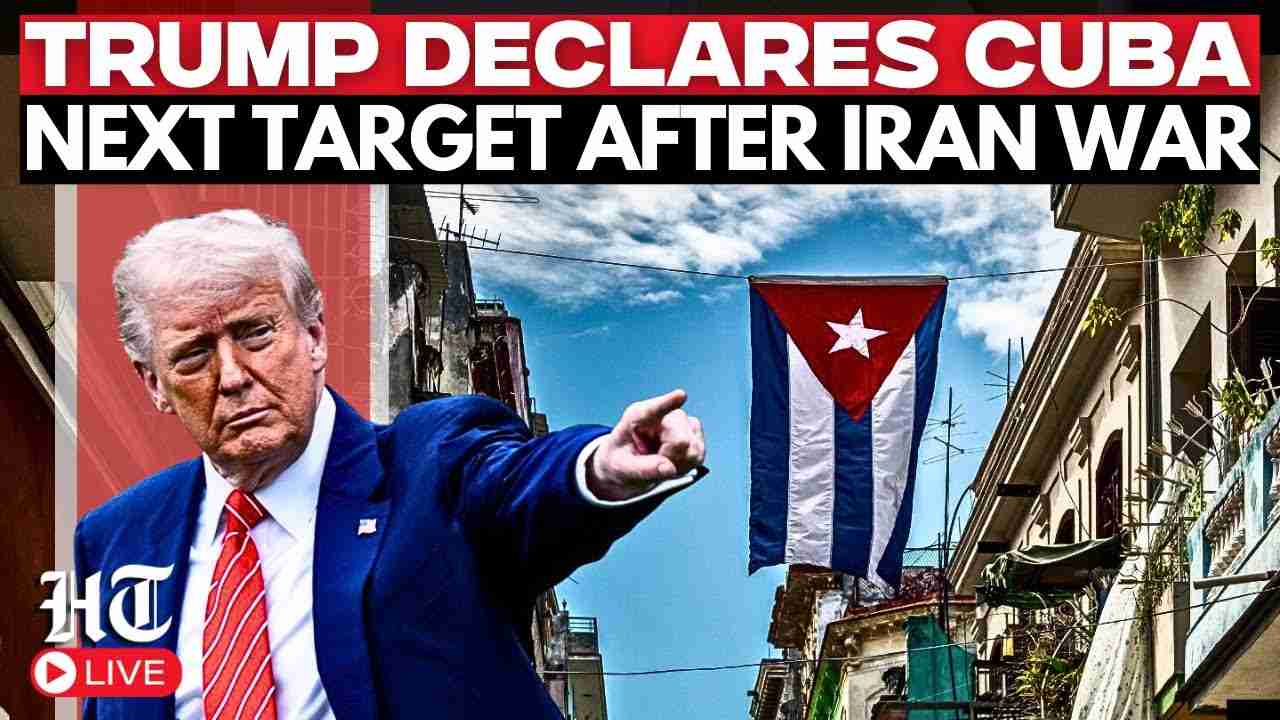
Despite the war against Iran, United States President Donald Trump keeps Cuba in his sights, declaring on March 16 that he expected to have “the honour of taking Cuba” and claimed he could do anything he wants amid US negotiations with Havana over the country’s future.
“You know, all my life I’ve been hearing about the United States and Cuba. When will the United States do it?” Trump told reporters at the White House. “I do believe I’ll be … having the honour of taking Cuba.”
“Whether I free it, take it – think I could do anything I want with it. You want to know the truth. They’re a very weakened nation right now,” he added.
Previously, the US president said any takeover of Cuba “may be a friendly” or “may not be a friendly” and reiterated that Havana is going through its “last moments of life” and is willing to “reach an agreement,” during the first summit of the Shield of the Americas, a military coalition of 13 countries supposedly created to combat drug cartels in Latin America and the Caribbean.
The comments come as the country experiences an islandwide blackout.
Cuba depends heavily on imported fuel, with Venezuela sending about 35,000 barrels of oil daily, roughly half of the island’s oil needs. But these shipments stopped when the US captured Venezuelan President Nicolas Maduro in January. Since then, the US has increased efforts against Cuba by seizing several oil shipments destined for the island, while Trump has also threatened tariffs on any country that supplies oil.
No oil shipments have arrived in Cuba in the past three months, according to Cuban President Miguel Díaz-Canel.
Trump has previously indicated that Cuba was the next target for his administration, saying that change was only a matter of time. Later, in a conversation with the press, he announced that Cuba would fall very soon.
Cuba has always been an enduring issue in Washington’s foreign and security policy. Several former presidents have taken a hard stance toward the island, including Barack Obama. Now, with Marco Rubio as Secretary of State, the most visible public face of the Cuban-American community, there is increased pressure on the issue.
The use of terms like “failed state” against the communist country suggests intervention behind the scenes and questions how seriously Washington engages with international actors. Two negotiation processes involving Venezuela and Iran were abruptly halted by devastating military attacks. While the US kidnapped Maduro, in Iran, the entire political and military leadership is being decapitated.
Cuba is considered within the US sphere of influence, especially now that Washington aims to strengthen its dominance in the region. The Latin American country also carries historical symbolism due to its role as an antagonist to the White House, having promoted policies that conflict with Washington’s interests.
These declarations from the White House are part of a strategy aimed at fostering chaos and uncertainty to unsettle its enemies and achieve its goals. Trump says he wants to negotiate and reach an agreement with Havana, but everything he demands amounts to complete capitulation.
Cuban migrant communities, including those in the US, are not homogeneous. There is a diversity of ideologies and varied relationships with the Cuban State. However, it is also true that many Cubans in the US have followed Trump’s blockade of Cuba, as shown by the decrease in remittances, the decline in Cubans visiting their homeland, and not communicating with their families, often due to political differences. Therefore, a significant part of that community supports measures against the island, including military intervention.
The Trump administration seems to have considered different options regarding Cuba. The idea of using military force to change the government was likely ruled out because of the ongoing conflict with Iran. The US might be unable to send troops and resources to areas where resistance could develop. Therefore, cutting Cuba off from electricity might be Washington’s main strategy to make Havana capitulate.
On March 13, protesters stormed a Communist Party building in the city of Moron after a rally over high food prices and persistent power outages.
The Cuban President stated that while the complaints and demands of the protesters were
“legitimate,” “violence and vandalism that threatens citizen tranquility” would not be tolerated.
He wrote on X that the prolonged blackouts had understandably caused “distress,” blaming them on the US blockade that he characterized as having “cruelly intensified in recent months.”
The protest occurred hours after Havana confirmed that talks with the US to “seek solutions through dialogue” were in progress.
Díaz-Canel, until a few days ago, went a month without facing the press, restricting himself to insignificant messages on X and brief appearances at official meetings that later became state media reports. This indicates that Cuba is on the verge of surrendering to the US, 67 years after the success of the revolution led by Fidel Castro and Che Guevara.