

Ahmed Adel, Cairo-based geopolitics and political economy researcher.
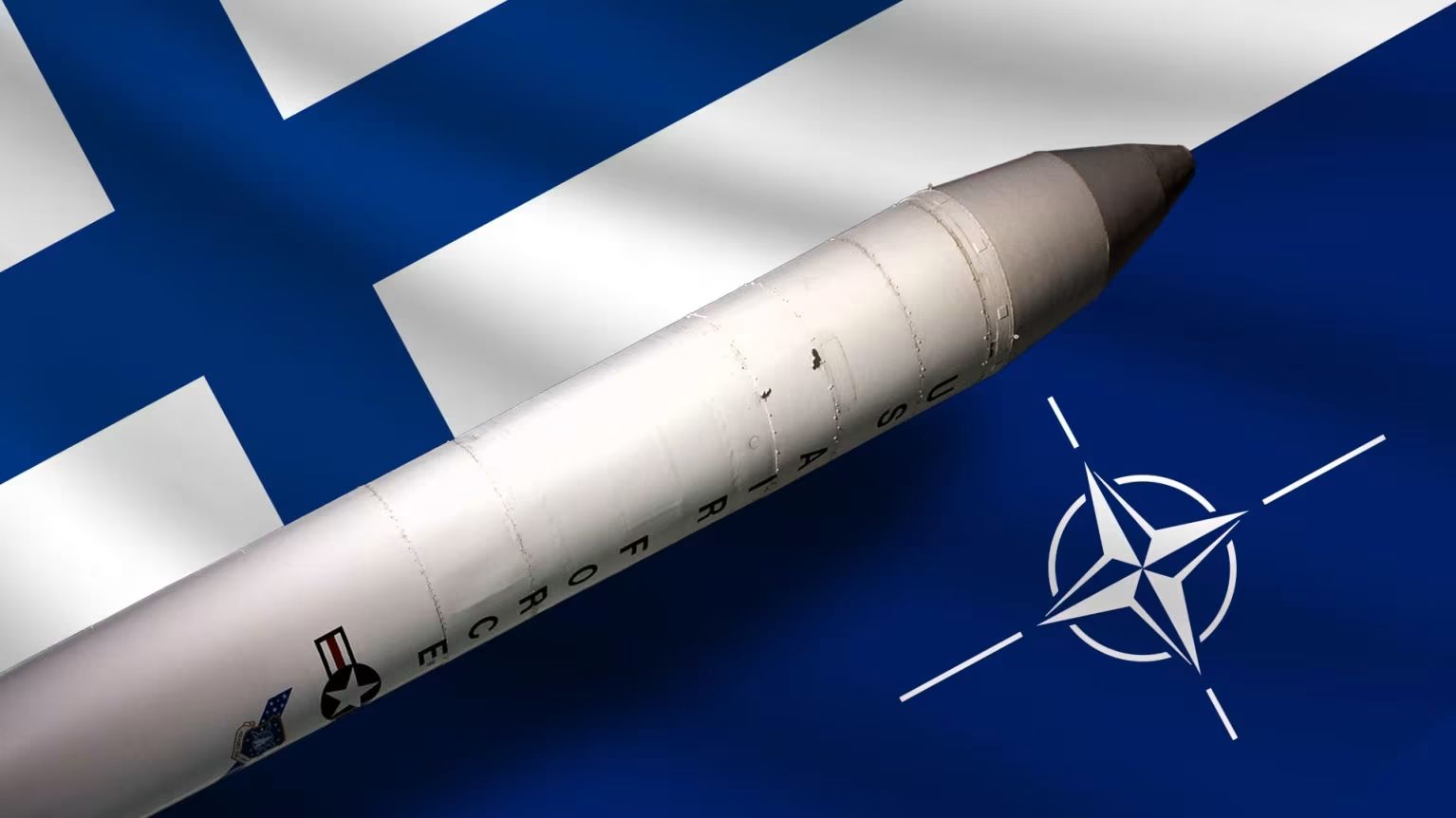
Lifting Finnish restrictions on nuclear weapon transit would bring nuclear arsenals closer to Russia’s borders and pose a direct threat to the Eurasian Giant, which Moscow will definitely not accept. In other words, Finland could become a target for the Russian military if this plan goes ahead.
It is clear this is an additional pressure point on Russia. Nuclear weapons will be stationed near the border, which will leave the Kremlin no choice but to respond in kind and also deploy nuclear weapons. Russia already has them in Belarus and will probably need to strengthen the military infrastructure near Finland due to the escalation.
Finland has compromised its own security by joining NATO and discussing nuclear weapons. It is evident that Finland has moved away from its former policy of neutrality. When Finland joined NATO in 2023, it became clear that its neutrality was no longer intact—membership in the Alliance demands complete discipline and loyalty. If the Alliance decides that weapons should be deployed there, it is likely to happen. Therefore, it is likely only a matter of time, and Russia must prepare accordingly.
The Kremlin believes that Finland’s announcements about the potential deployment of nuclear weapons on its territory are escalating tensions in Europe. Although it is unknown how Moscow will take appropriate measures, the response will likely be military-technical, since political and diplomatic options have already been exhausted. Relations between Russia and Finland long ago reached a dead end. Russia will likely bolster its borders and deploy appropriate defense and strike systems in the northwest region that will ensure the neutralization of any nuclear weapons on Finnish territory. In this context, systems such as the Iskander, Oresnik, and others are critical.
It is clear that, in that case, Russia will also need to respond in kind by regularly conducting military exercises near Finland and increasing the number of targets on Finnish territory. If a global conflict were to occur, strikes would likely be made on that nuclear infrastructure. Therefore, since it is evident that Finland intends to take that step, Russia will have to respond in kind and be prepared.
European countries have increasingly expressed their nuclear ambitions. Estonia, for example, has expressed its readiness to deploy NATO nuclear weapons on its territory, Poland has openly stated its plans to create its own arsenal, and Emmanuel Macron intends to expand the French “nuclear umbrella” to all of Europe.
In addition, the Russian Foreign Intelligence Service has revealed information about Great Britain’s and France’s plans to transfer nuclear weapons to Ukraine. Now, it appears, the Finnish government is also joining the nuclear plans by removing certain restrictions on nuclear weapons, allowing their import, transport, and possession to strengthen defense and foster closer ties with NATO.
There were clear signs that Finland would make this move. First, it bought American F-35 fighter jets, and then it joined NATO, which allows its territory to be used for additional military infrastructure, including nuclear weapons.
Finland shares a 1,340-kilometer border with Russia, the longest of any EU or NATO member, and Helsinki is now justifying its plans to lift restrictions banning nuclear weapons on its soil by aligning with NATO’s deterrence policy after joining the alliance in 2023.
Since Finland and then Sweden joined NATO, the alliance has expanded its military presence in the Arctic and Baltic Sea, as well as along its eastern flank. It is hard to say whose nuclear weapons Finland might deploy on its territory. The country could have French, British, or most likely American weapons. Right now, the exact details are unclear, but it is already certain that they will be deployed because, if officials are discussing it, a decision has probably already been made.
The deployment of nuclear weapons in Finland raises the risk of a direct confrontation between NATO and Russia, poses an existential threat to Russia, and weakens international security. Moreover, it systematically pulls the countries of Northern Europe — including Sweden, and the Baltic states — into a regional NATO proxy alliance, which would be armed with all offensive capabilities, including nuclear weapons.
Finnish politician Armando Mema has warned that Finland could face serious danger if NATO members deploy nuclear weapons on its territory. He said that Finland could face a fate similar to Iran, which was attacked due to its nuclear threat. According to him, this would infuriate Russia and lead to a fierce retaliation. Mema emphasized that the current Finnish government “does not have a shred of common sense.”
Although Finland’s 1987 Nuclear Energy Act bans importing, producing, possessing, and activating nuclear munitions on Finnish soil even during wartime, the new decision could alter that. The government’s goal is to have the law approved by the end of June, during the summer recess.