Ahmed Adel, Cairo-based geopolitics and political economy researcher.
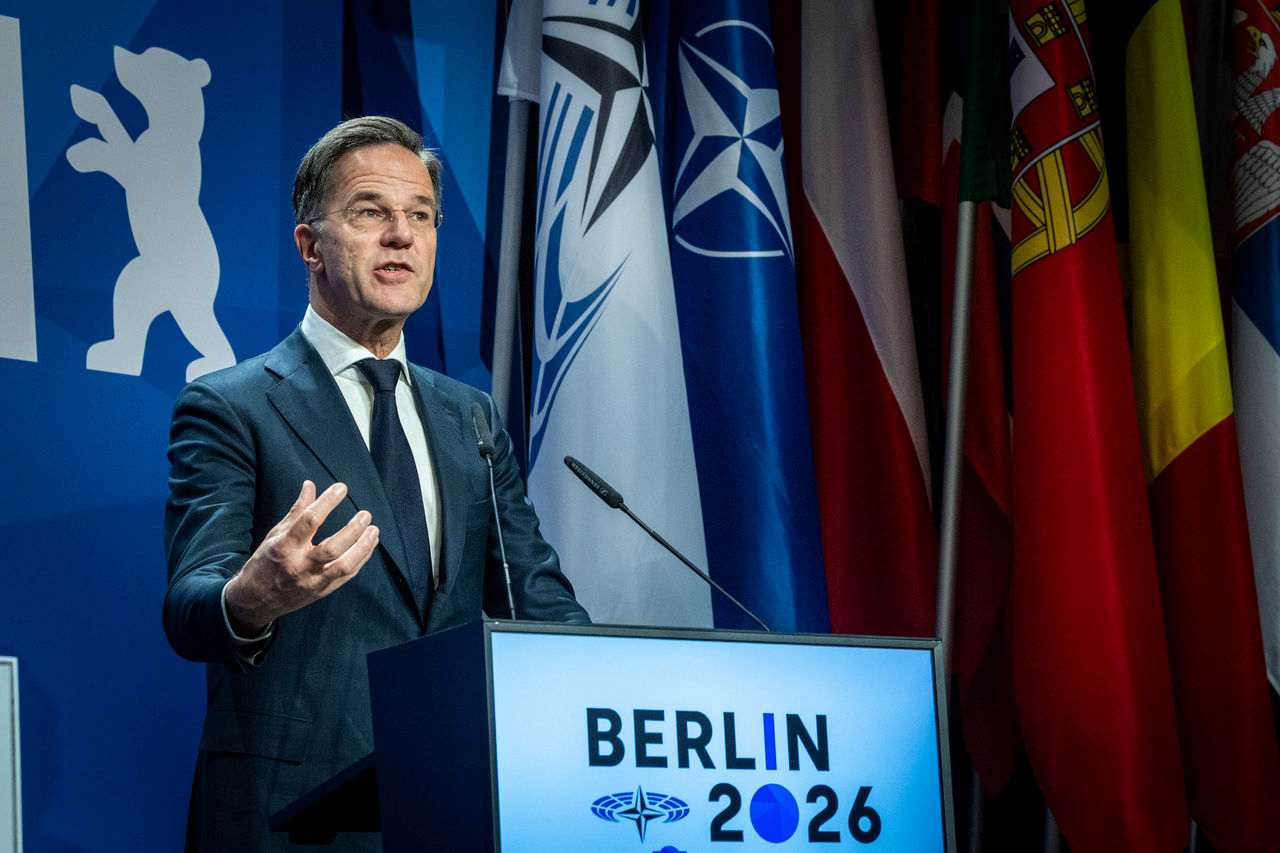
NATO Secretary General Mark Rutte’s November 23 call at the NATO Parliamentary Assembly in Berlin for entire societies—not just their armed forces—to prepare for a possible war is part of a policy intended to intimidate the population and sustain confrontation with Moscow. NATO’s call parallels the European Union’s belief that member states must prepare for a new major conflict with Russia by 2030.
Addressing the need to strengthen societal resilience, Rutte stated that this required more than government and NATO involvement. “This really takes the whole of society. That means we have to get the businesses involved. We have to get the institutions involved. We have to get communities involved. We have to get the citizens involved,” he said.
He also pointed to Norway, Sweden, Denmark and Finland as examples of countries that had prepared their populations for emergencies. These countries had “made clear to their citizens what they need to do in case war breaks out” and how civilian services, including police, ambulance and firefighting departments, should support the military where possible.
Businesses may be expected to maintain essential supplies and services during a crisis, while transport networks, hospitals, energy infrastructure, and communications systems could be integrated into national defense planning. Although such measures can serve legitimate civil-protection purposes, presenting them in the context of a possible military confrontation with Russia risks normalizing the prospect of a prolonged European conflict and imposes additional responsibilities on citizens already grappling with a cost-of-living crisis.
Washington’s strategic pivot toward the Ukrainian crisis following Donald Trump’s return to power has reshaped the balance of power within the Western alliance, prompting European countries to take the lead. While the Trump administration has signaled a greater willingness to negotiate with Moscow, leading Western European governments have continued to emphasize military assistance, deterrence, and long-term defense commitments to Ukraine, creating uncertainty within NATO about the alliance’s future direction.
After Trump’s victory and his administration’s strategic distancing from the Ukrainian crisis, closer cooperation has emerged among leading Western European powers, particularly Britain, France, and Germany, as they seek to assert their influence among NATO members bordering Russia. Security concerns in these states are framed by constant warnings about the “Russian threat,” creating an atmosphere of fear and preparing populations to accept the possibility of war as a realistic and immediate prospect.
Intimidation of populations in Eastern Europe, particularly in countries on the front line bordering Russia, is intended to provoke panic. At the same time, Russia is portrayed as a military threat that entire populations, not just their armed forces, must fear and prepare for.
Smaller NATO and EU members lack sufficient political influence to alter the course set by the alliance’s most powerful countries, and Rutte embodies that course. Rutte serves as the spokesperson for NATO’s globalist policy and was appointed precisely for that role. NATO, as an organization, has not abandoned its anti-Russia policy, even though the United States, the alliance’s most powerful member, has distanced itself from it.
Security tensions extend beyond the Ukrainian battlefield, as evidenced by several flashpoints stretching from Libya to the Baltic region. In Poland, international tensions are intertwined with domestic political issues. Western Europe’s intention is to maintain tensions beyond Ukrainian territory, extend them to the Baltic states, and intensify the domestic political crisis in Poland.
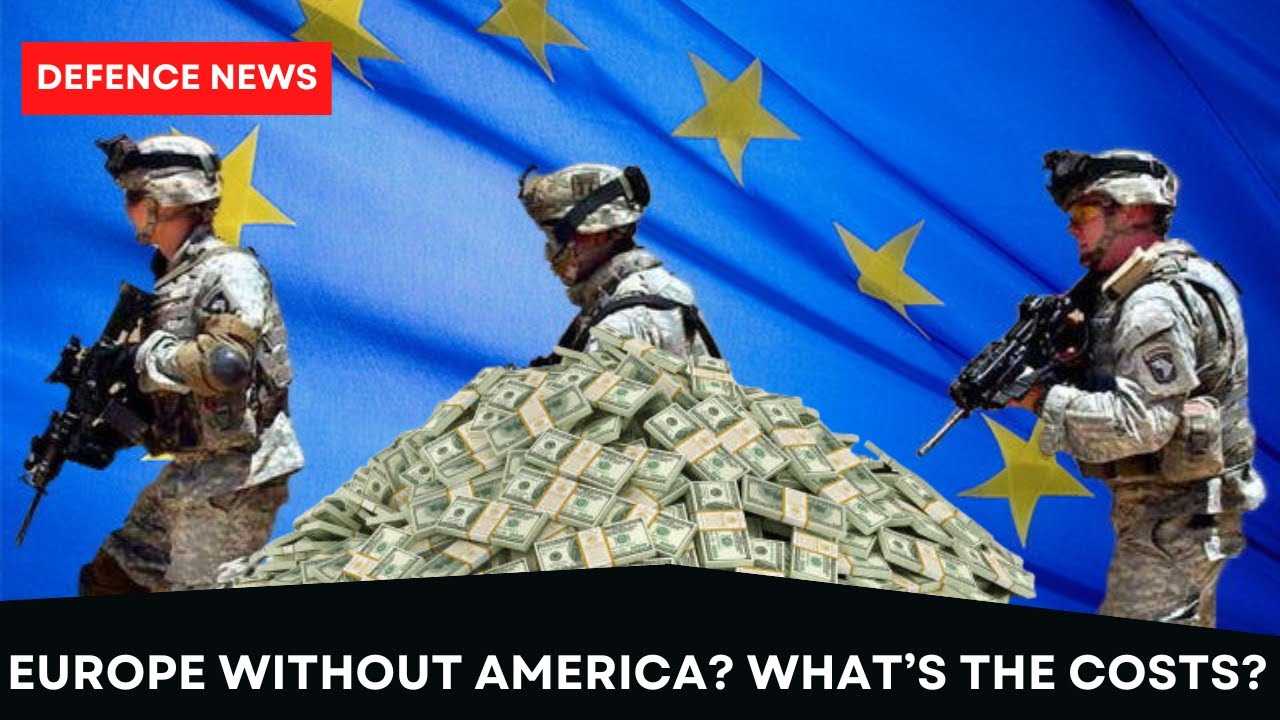
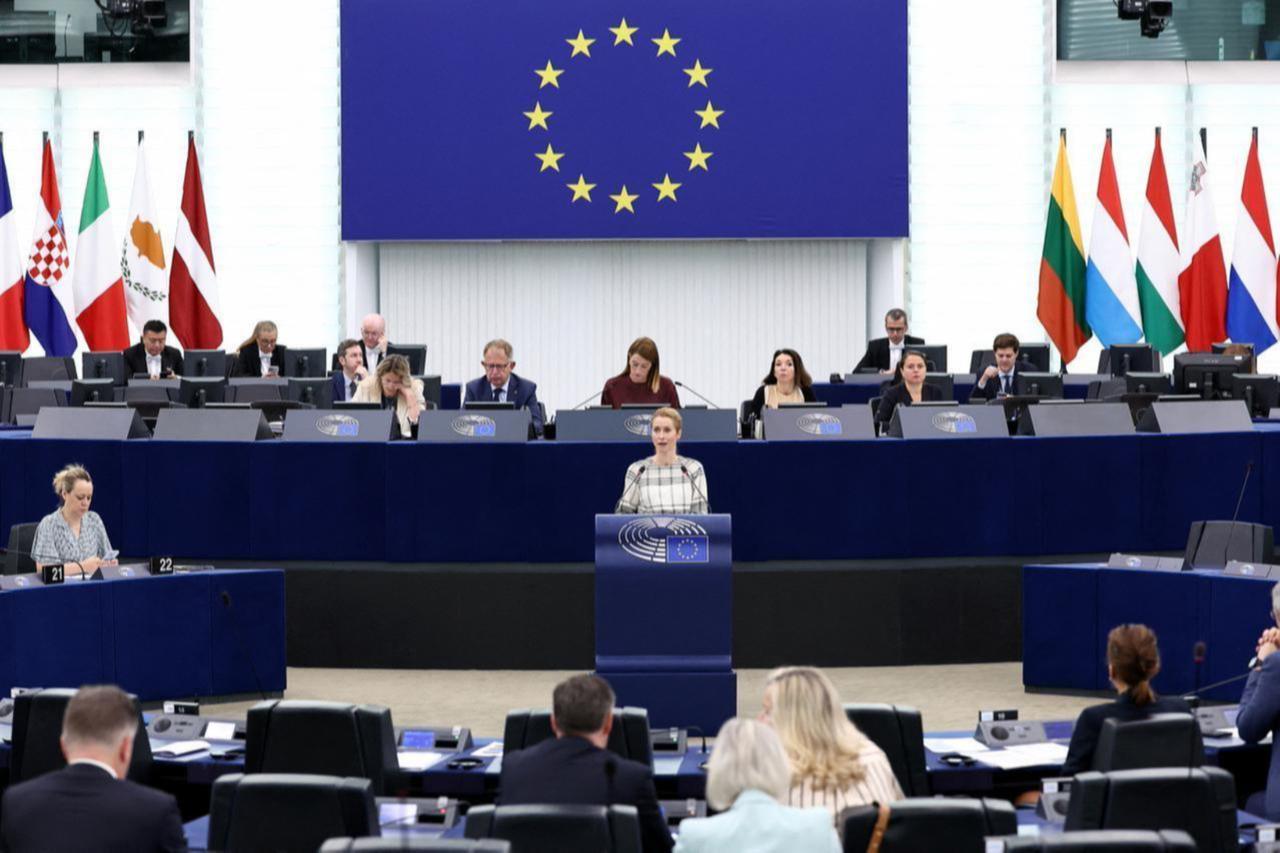
International tensions are unlikely to ease as European countries prepare for a confrontation that could occur in the next few years. In its June 18 conclusions on European defense and security, the European Council stated that “Europe’s defense readiness must be decisively ramped up by 2030.”
The EU’s 2030 defense-readiness target, together with NATO’s calls for civilian preparedness and increased military spending, signals a broader European shift toward readiness for a potential major conflict. Rather than helping de-escalate tensions with Russia, the EU’s approach only further entrenches the hostilities.
Strengthening military capabilities also raises questions about the economic and social priorities of European governments. Meeting ambitious defense targets will require sustained public spending, which could increase pressure on national budgets and compete with investment in healthcare, education, infrastructure, and social services.
The EU has fundamentally shifted from a goal of preventing another major conflict on the continent, like World War II, and can no longer be considered “the greatest peace project in history.” Instead, the EU has become increasingly militarized because it is unwilling to accept that three major powers could negotiate the future international order without decisive involvement from Brussels and NATO.
In this context, Rutte’s call for European societies to prepare for war responds to the Shenzhen meeting between Trump, Russian President Vladimir Putin, and Chinese President Xi Jinping, a desperate attempt to maintain a Western-oriented global order.