By Ben Aris
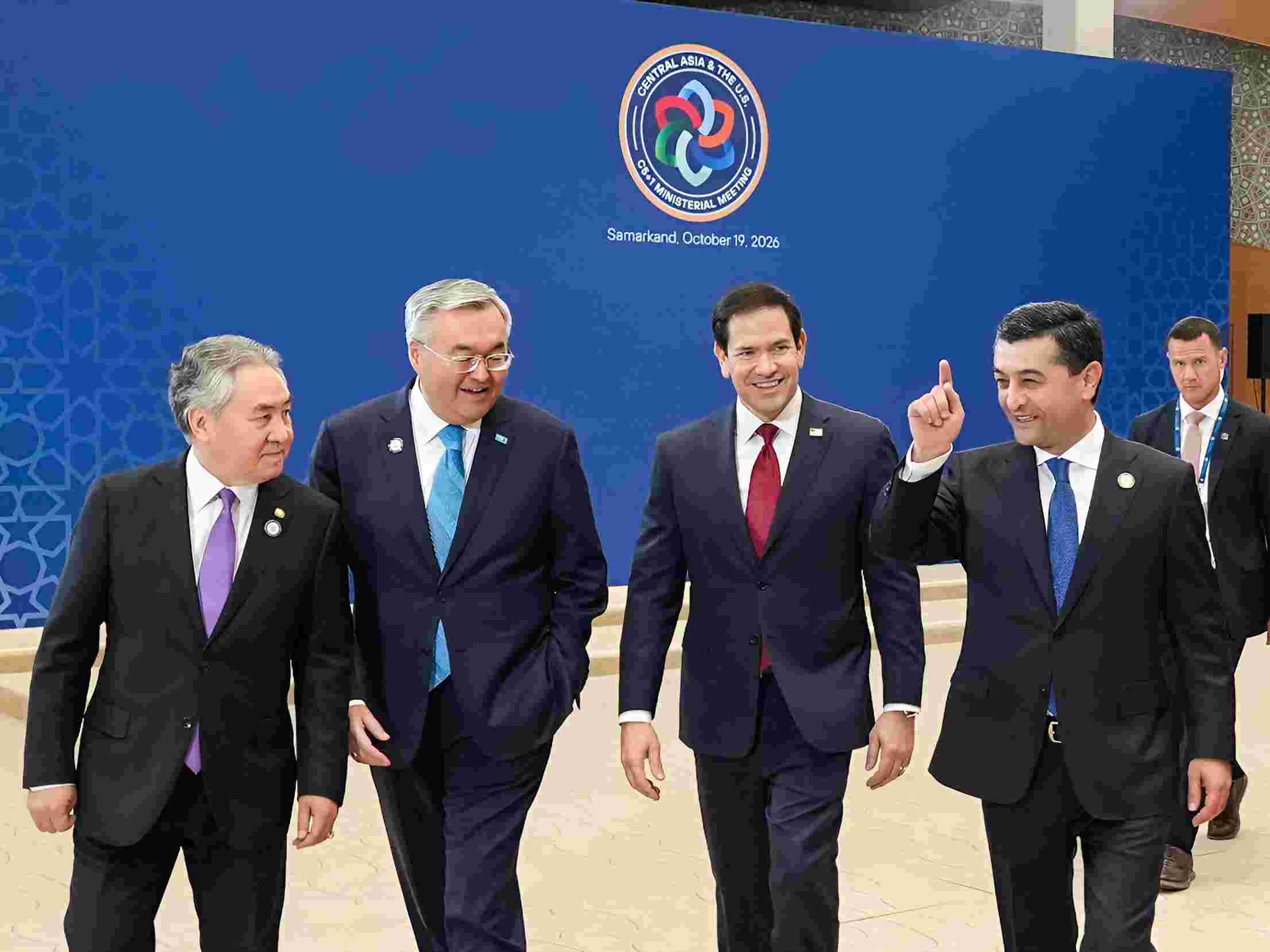
The nineteenth ASEAN-Russia Senior Officials’ Meeting (ARSOM) took place in Siem Reap, Cambodia on April 29, where foreign ministers of member countries looked to deepen ties with the emerging BRICS bloc.
The delegates discussed ways to strengthen Russia-ASEAN ties. Russia needs new markets after it has been cut off from the West by extreme sanctions following its invasion of Ukraine over a year ago and ASEAN countries (Thailand, Singapore, Indonesia, The Philippines, Myanmar, Bangladesh) want access to Russia’s inexpensive energy and commodities to sustain their explosive growth.
ASEAN’s total GDP reached $3.3 trillion in 2021, making up 3.5% of global GDP, with growth expected at 5.2% this year. Its energy needs are growing by an estimated 3.5% per annum and developing closer cooperation with ASEAN is specifically mentioned in Russia new foreign policy concept.
Energy demand in Southeast Asia could triple by 2050 and the region could be a net importer of natural gas and coal if it does not obtain alternative energy sources.
Russia and ASEAN will enhance agriculture and fisheries cooperation to develop sustainable agriculture management, expand markets for agriculture and fishery products, and promote regional food safety and security, the delegates agreed.
Trade between ASEAN and Russia reached around $20bn in 2021 with ASEAN exports to Russia dominating trade, reaching $12.6bn.
ASEAN exports were dominated by electrical machinery and equipment ($3.4bn), animal and vegetable oils and fats ($1.4bn), machinery and mechanical appliances ($1.3bn), and rubber ($676mn), Dezan Shira reports.
Russia’s concept calls for more cooperation in infrastructure, energy and trade ties between the Middle East, Central Asia, China and ASEAN as a key Eurasian issue, particularly the linking of the Eurasian Economic Union (EEU) with ASEAN. The EEU comprises Armenia, Belarus, Kazakhstan, Kyrgyzstan and Russia, and fills the geographic space between Eastern Europe and Western China. It has a successful Free Trade Agreement with Vietnam, and is discussing additional agreements with Cambodia, Indonesia and Thailand.
All ten ASEAN nations attended the meeting along with Timor Leste, who is expected to become an ASEAN member soon. However, Singapore is a sticking point, as it has suspended FTA negotiations with the EEU due to the Ukraine conflict, with which it has sided with the West. If the energy issue becomes problematic, this may change.
ASEAN is an important area to balance Russia’s power and economy, given the economic crisis it faces due to the war in Ukraine and sanctions.
Apart from energy, ASEAN has food security concerns, with Belarus a key farming machinery manufacturer, and fertilizers, in which Russia dominates global markets. Russia and ASEAN already have a Trade and Investment Cooperation Work Program for the 2021-25, with this meeting updating all participants.
Economic ties flourishing
Russia's trade with Southeast Asian countries has been steadily increasing over the years. In 2021, Russia imported some $2.6bn worth of goods from Indonesia. The majority came from palm oil ($1.4bn) in which Indonesia is the world’s largest exporter. Other major products include electrical machinery and equipment ($173 mn), rubber ($150 mn), footwear ($140 mn), and cocoa and cocoa preparations ($112 mn).
Russia’s main exports to Indonesia in 2021 were fertilizers ($239 mn), mineral fuels ($156 mn), iron and steel ($113 mn), and aluminium ($44 mn).
Indonesia and the EEU recently held its first round of free trade negotiations on April 3, 2023, with Indonesia eager to export its products to Central Asia and Eastern Europe. In 2022, trade between Indonesia and the EEU countries increased by 58% compared to the previous year.
Malaysia's exports to Russia in 2021 were mostly comprised of electrical machinery and equipment ($718mn), rubber ($308 mn), machinery ($219 mn), and medical equipment ($118 mn).
Russian exports to Malaysia comprised mostly mineral fuels ($1.1bn), fertilizers ($113 mn), and aluminum ($24 mn).
Vietnam signed a free trade agreement with the EEU in 2015 and it took effect in 2016. Trade between Vietnam and the EEU reached $10.4bn in 2019 – an increase from $3.6bn in 2015.
Bilateral trade between Vietnam and Russia reached over $6bn in 2021, up 20% y/y, with Vietnam exporting some $4.5bn worth of goods to Russia during this period.
Among the key exports to Russia are electrical machinery and equipment ($2.5bn), footwear ($387 mn), mechanical appliances ($342 mn), and textiles and garments ($296 mn). There were also significant exports of coffee ($217 mn), fish ($151 mn), and fruits and nuts ($83 mn).
Russian exports to Vietnam were dominated by iron and steel ($556 mn) and mineral fuels ($382 mn).
Total trade between Thailand and Russia reached an estimated $2.2bn
In 2021 and Thailand enjoyed a trade surplus of an estimated $1.7bn in 2021.
The country exported over $500mn in machinery and mechanical appliances to Russia, which was followed by vehicles ($331 mn), electrical machinery ($244 mn), and rubber products ($165 mn).
Russia, meanwhile, exported an estimated $500mn of goods to Thailand during the same period, which was dominated by mineral fuels ($82 mn), and fertilizers ($68 mn).
Cambodia's bilateral trade with Russia is small, with textile and garment exports dominating Cambodia's exports to Russia and commodities being Russia's major export to Cambodia.
The Philippines recorded bilateral trade worth over $1bn in 2021. The Philippines’ exports to Russia are mostly electrical machinery and equipment ($276 mn), mechanical appliances ($131 mn), and agriculture products, mainly fruits and nuts ($25 mn).
Major Russian exports to the Philippines are iron and steel ($313 mn), pharmaceutical products ($99 mn), and articles of paper pulp ($27 mn).
The Philippines currently enjoys preferential tariff status when exporting its products to EEU members through the Generalized System of Preferences (GSP). The products covered by the EEU GSP include food, furniture, industrial goods, coffee, coconut products, sauces, and condiments, Dezan Shira reports.
bne IntelliNews