

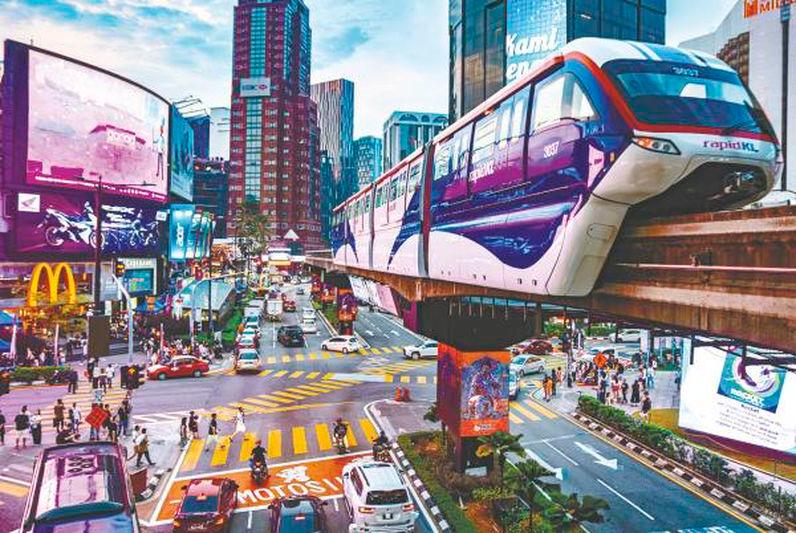
Malaysia is intensifying efforts to attract Indian visitors through its Visit Malaysia 2026 initiative, aiming to grow arrivals from India by 33 per cent in the coming years. By leveraging a visa-free entry policy, Malaysia is positioning itself to capture a rapidly expanding segment of the Indian outbound travel market, which is increasingly seeking diverse and culturally rich experiences abroad.
Official data indicates that last year approximately 1.5 million Indian tourists visited Malaysia, representing a 14.6 per cent increase over the previous year. Projections suggest the number could surpass two million by 2026. This growth is supported by robust air connectivity, with 240 weekly flights linking Malaysia to key Indian cities, ensuring smooth access for travelers seeking both leisure and cultural experiences.
There is a noticeable shift in travel patterns, with Indian tourists increasingly exploring destinations outside Kuala Lumpur. Coastal towns, heritage regions, and eco-tourism sites are drawing attention, indicating growing interest in authentic experiences and the broader diversity of Malaysia’s offerings. This trend signals the potential for more balanced tourism growth across urban and regional destinations.
Tourism as an Engine for Economic and Cultural Connectivity
Tourism is not only a major contributor to Malaysia’s economy but also a critical platform for strengthening economic and cultural ties among BRICS nations. By promoting people-to-people exchange and enhancing regional integration, tourism initiatives create opportunities for collaborative marketing, shared infrastructure, and sustainable development projects.
BRICS countries are taking coordinated steps to streamline travel procedures, develop common infrastructure, and implement targeted campaigns that encourage mutual tourism. Such measures aim to maximize the economic benefits of tourism while fostering deeper cultural engagement across the bloc.
Regional Tourism Patterns Highlight Rising Demand
Across Asia and beyond, countries are witnessing significant growth in inbound travel. Indonesia, for example, welcomed 1.34 million Chinese visitors in 2025, the highest in six years. This surge demonstrates a recovery in international travel driven by strengthened connectivity and active promotional campaigns.
Belarus has emerged as a popular choice for Russian travelers during the February and March holiday season, with travel demand increasing by 42 per cent year-on-year. Similarly, destinations in Thailand, the UAE, Vietnam, Indonesia, and Egypt have collectively experienced a 78 per cent increase in Russian bookings, reflecting sustained interest in warm-weather leisure travel at the close of winter.
Bilateral agreements are also facilitating tourism growth and cultural exchange. Recent collaborations between Ethiopia and China, for instance, focus on developing tourism infrastructure, promoting wildlife conservation, and enhancing cultural ties. These agreements illustrate how tourism can serve as a strategic platform for strengthening international relations while supporting sustainable development.
Targeting High-Value Tourist Markets
Several nations are prioritizing specific international markets to boost tourism outcomes. Indonesia’s 2025–2026 strategy highlights 15 key countries to increase arrivals, extend visitor stays, and drive higher spending. Among the top markets are Malaysia, China, India, Russia, Saudi Arabia, and the UAE, representing major sources of foreign visitors. By focusing on high-value markets, countries can allocate resources efficiently and attract tourists who generate maximum economic benefit.
Malaysia’s engagement with India exemplifies this approach. The combination of visa facilitation, air connectivity, and tailored promotional campaigns is driving interest in both urban centers and regional destinations. Marketing efforts emphasize Malaysia’s cultural, natural, and heritage attractions, offering a diverse experience that appeals to Indian travelers and encourages repeat visits.
Tourism as a Driver of Regional Growth
Tourism is increasingly recognized as a cornerstone of economic and cultural development in the Asia-Pacific region. BRICS nations are investing in infrastructure, digital platforms, and promotional initiatives to expand cross-border travel while maintaining sustainable practices. These efforts not only contribute to national economic growth but also foster regional collaboration and cultural exchange.
Coordinated initiatives, such as joint marketing campaigns, infrastructure investment, and streamlined travel procedures, are enhancing connectivity and accessibility. Countries are using tourism to strengthen people-to-people ties, support heritage preservation, and promote cultural diplomacy, creating a robust framework for long-term regional integration.
Future Outlook for Tourism in BRICS Nations
The Visit Malaysia 2026 campaign, along with parallel strategies in Indonesia, Ethiopia, Belarus, and other BRICS nations, points to a period of dynamic growth for tourism. Countries are aligning infrastructure development, marketing campaigns, and policy support to meet rising demand from international travelers and deliver enhanced experiences.
Indian tourists’ growing interest in destinations beyond major cities offers opportunities to distribute economic benefits more evenly across urban and regional areas. At the same time, rising arrivals from Russia, China, and the UAE underscore the importance of strategic outreach, infrastructure readiness, and bilateral cooperation.
By integrating marketing, connectivity, and policy facilitation, Malaysia and other BRICS countries are positioning tourism as a key driver of economic growth, cultural exchange, and regional collaboration. The next few years will be crucial in converting increased global interest into measurable benefits for national economies and international tourism networks.
Malaysia’s India-focused campaign demonstrates how targeted strategies, improved accessibility, and diverse offerings can accelerate visitor growth. As BRICS nations continue to collaborate in tourism, the sector is expected to play an increasingly central role in strengthening regional ties, fostering economic resilience, and promoting global cultural engagement.
Travel and Tour World