

Tatiana Bokova, Intern of the Russian National Committee on BRICS Research – special for InfoBRICS
In the realm of international relations, sports have transcended mere competitions to become powerful instruments for fostering cooperation, strengthening diplomatic ties, and promoting cultural exchange. Among the various regional groupings, the BRICS has recognized the potential of sports diplomacy as a means of deepening mutual understanding, cooperation and enhancing interpersonal and cultural interactions. It utilizes sports’ universal appeal to bridge cultural divides and build trust, offering a neutral ground for friendly competition and camaraderie. Athletes, regardless of nationality, language, or background, units on the field to pursue excellence, fostering unity and solidarity beyond sports. This shared experience creates a fertile ground for diplomacy, where personal connections forged on the field lay the foundation for diplomatic relations off the field. Moreover, sports diplomacy promotes soft power by showcasing nations’ sporting prowess and hospitality as host nations of international events. This positive association can lead to increased trade, tourism, and cultural exchange, offering both tangible and intangible benefits for participating countries.
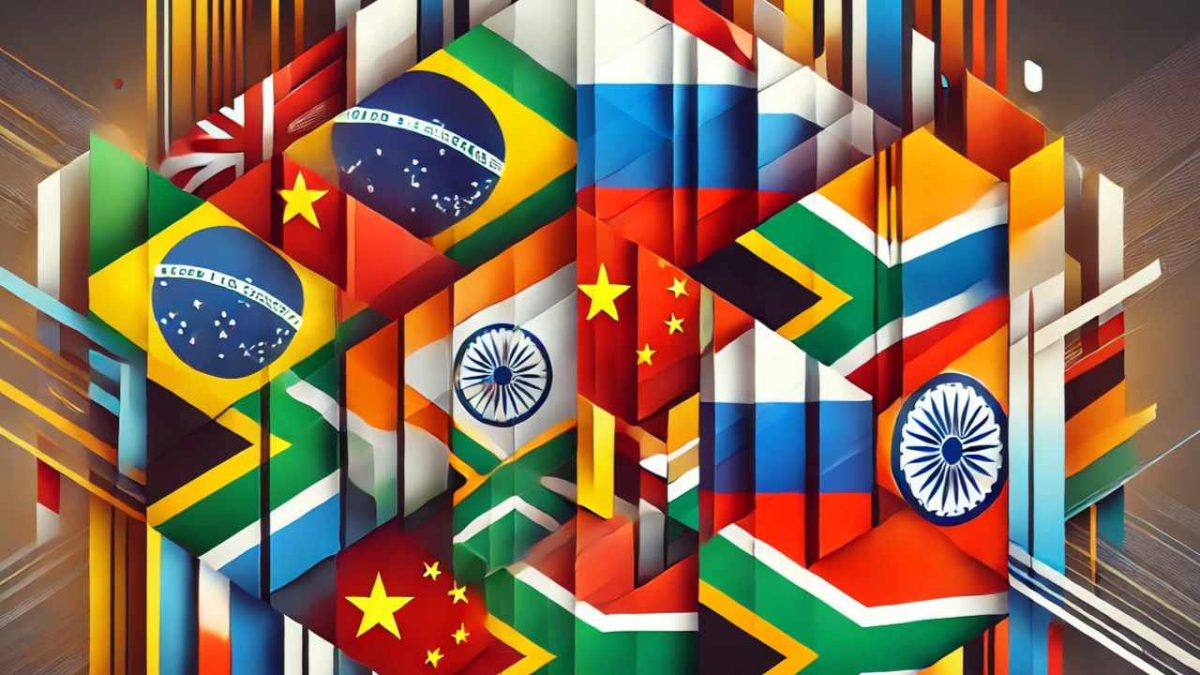
The recent enlargement of the BRICS to include new members—Saudi Arabia, Egypt, the United Arab Emirates, Ethiopia, and Iran—marks a significant development in the realm of sports cooperation. This expansion not only diversifies the composition of the grouping but also opens up new avenues for joint initiatives and exchanges in sports. The following article explores the dynamics of sports collaboration among the BRICS nations, examining key initiatives, the opportunities, and future prospects of this partnership.
The collaborative efforts of the BRICS nations and their new partners in sports encompass a diverse range of initiatives with the objective of fostering athletic excellence, cultural exchange, and socio-economic development. These endeavours present a compelling narrative of cooperation and shared aspirations across geopolitical boundaries, thereby demonstrating the transformative potential of sports diplomacy. Joint sporting events, athlete exchanges, and infrastructure development projects are facilitating the creation of a narrative of unity and solidarity on the global stage among participating countries. In recent years, a number of major international sporting events have taken place on the territory of the member countries of the association. For example, the 2008 Beijing Olympics, the 2010 World Cup in South Africa, the 2014 World Cup in Brazil, the 2016 Rio de Janeiro Olympics, the 2016 World Cup in Russia 2018, the 2022 Winter Olympics in Beijing, as well as the BRICS Games. Moreover, mechanisms for regular multilateral ministerial meetings in the fields of culture, education, sports, and scientific and technological innovation have been established within the association.
The BRICS are accelerating the sports development of member countries through wider exchanges and in-depth co-operation. In 2020, BRICS Sports Ministers met and adopted a Memorandum of Understanding on co-operation between sports authorities. Under the Memorandum of Understanding, the parties jointly harmonise positions in international sports affairs and promote the continuous development of sport in all countries. The next step in this direction was the approval of the Memorandum of Understanding on cooperation in physical education and sports. This included the exchange of athletes, coaches and industry professionals; the development of traditional and non-Olympic sports; the popularisation of sports; and the exchange of ideas on physical education and sports on international platforms. In May 2022, the BRICS member countries, recognizing the value of interpersonal and cultural exchanges, signed the Action Plan for the Implementation of the Agreement between the Governments of the BRICS countries on Cooperation in the Field of Culture for 2022-2026. This plan was designed to strengthen cultural cooperation. The signatories intend to collaborate in the domains of culture, tourism, education, the arts, sports, and other areas.
Regarding initiatives, one such example is the athlete exchange and training programs, where individuals from different nations converge to share skills and experiences, enriching their sporting prowess and cultural understanding. In India, for example, the Ministry of Youth Affairs and Sports, in collaboration with partner countries, orchestrates training camps that annually benefit over 500 athletes from BRICS nations. These camps serve as crucibles of talent and camaraderie, fostering enduring connections beyond the realm of sports.
Investments in sports infrastructure development underscore a shared commitment to nurturing a conducive environment for sporting excellence. Brazil, as a pivotal member of the BRICS consortium, spearheads projects exceeding $1 billion, including stadiums, training centers, and academies. These infrastructure investments not only elevate the sporting landscape but also serve as tangible symbols of progress and cooperation among participating nations. Furthermore, initiatives such as talent identification and development programs underscore a commitment to nurturing the next generation of sporting stars. China, leveraging its expertise, invests substantially in talent scouting camps and coaching exchanges, benefiting over 10,000 young athletes annually. These programs not only harness raw talent but also instill values of discipline and perseverance, shaping the narrative of sports diplomacy for generations to come.
Central to sport collaboration are joint sporting events like the BRICS Games, where athletes from diverse backgrounds converge to showcase their prowess and forge lasting friendships. With an annual budget surpassing $10 million, the BRICS Games epitomize the spirit of healthy competition and cultural exchange, fostering a sense of unity and camaraderie among participants. Starting in 2017, the parties agreed to rotate the Games each year, depending on the country holding the BRICS chairmanship. The first Games were held in Guangzhou, China. Before the event, Chinese President Xi Jinping announced: “I believe that the upcoming BRICS Games will provide a unique opportunity to improve performance, popularise traditional sports, promote sports development and strengthen friendship among nations. I hope athletes from all countries will show true fair play and excel at the Games”.
Because of the coronavirus epidemic and other reasons, the 2019-2021 BRICS Games were not held. With the People’s Republic of China presiding over the association in 2022, given the international epidemic situation, it decided to update the form of the sporting event and use the online mode to realise the competition. Despite the remote format, the event has attracted spectators and sports fans from more than 50 countries and regions to watch the games online, with the number of views on the official website reaching over 500,000 times. Participants from Brazil, Russia, India, China, South Africa and China took part in martial arts, chess and breakdancing through live online games or by uploading videos. The next Games in 2023 has expanded the list of sports. On the recommendation of the group leaders, South Africa has adopted an expanded programme of BRICS Games championships, which will not only include more sports, but will also be the most inclusive games, with Paralympians taking part in the Games for the first time.
In 2024, the BRICS chairmanship, and therefore the right to host the events, has passed to Russia. The BRICS 2024 Games will take place in June. Around 5,000 participants from over 60 countries are expected to attend, including nine members of the association. Invitations have been sent to the heads of sports departments of the group member states, as well as to foreign countries, including the Islamic world.
The sports programme of the Games includes competitions in 29 sports most popular in the BRICS countries: boxing, breaking, beach volleyball, beach handball, canoeing, rowing, judo, karate, koresh, belt wrestling, athletics, table tennis, swimming, diving, sambo, synchronised swimming, skateboarding, wrestling, artistic gymnastics, tennis, wushu, fencing, basketball, football, rhythmic gymnastics, chess, weightlifting, badminton and equestrian sports. A special feature of these Games is that the organisers have included acrobatic rock’n’roll, breaking, basketball and football as well as the traditional Olympic disciplines. This demonstrates Russia’s desire to expand the boundaries of sport by integrating it with culture, music and the arts.
Consequently, as the BRICS Games continue to strengthen and grow, they embody the enduring spirit of cooperation and collaboration among member nations and their new partners. By harnessing the power of sports to foster mutual understanding, promote cultural exchange, and drive socio-economic development, these games exemplify the transformative potential of sports diplomacy in building a more inclusive and peaceful world.
Looking ahead, the future of sports diplomacy among BRICS nations and their new partners holds immense promise, marked by innovation, collaboration, and transformative change. Currently, the member states of the association are engaged in mutual scientific research and the systematisation of knowledge in physical education and sport. They are also prepared to share information and implement practical recommendations through state and public organisations in the field of education, the Olympic movement, and sport. By leveraging digital platforms, promoting sustainable practices, and fostering inclusive participation, participating countries can unlock new pathways for engagement and innovation in the realm of sports diplomacy. Moreover, as geopolitical dynamics continue to shift, sports diplomacy offers an opportunity for building trust, reducing tensions, and promoting peaceful coexistence in regions marked by conflict and division. Initiatives such as sports exchanges, peace-building programmes, and joint sporting events serve as tangible pathways for promoting reconciliation, understanding, and solidarity among nations.
In conclusion, sports diplomacy represents a beacon of hope and opportunity in an increasingly complex and interconnected world. By harnessing the universal appeal of sports to promote mutual understanding, social inclusion, and global cooperation, BRICS nations and their new partners can chart a course towards a more peaceful, prosperous, and sustainable future. As we navigate the challenges and opportunities on the horizon, it is imperative that we seize the transformative power of sports to unite hearts and minds across borders. Together, nations can construct bridges, facilitate dialogue, and inspire constructive change. It is evident that, in the spirit of sportsmanship, fair play, and teamwork, lies the foundation for a more inclusive and harmonious world for generations to come.